
Home > Shop > Steve Cartwright
Modern British Exhibition
Anthony Gross
Anthony Gross was born in London in 1905 and studied painting and engraving at the Slade. Later he studied in Paris and Madrid and spent much of his time in France. In 1940 Gross evacuated his family on one of the last ships to leave Bordeaux. He was appointed an Official War Artist and landed in Normandy with the Allied troops on D-Day, holding his materials aloft as he waded ashore.
Gross was very prolific, producing more than 500 pictures during the War. Post-war, he stayed in France before finally buying a house in the south-west in 1955 and settled into a pattern of living and working there during the summer but returning to London each winter. In 1980 he was elected an R.A. Gross died in 1984.
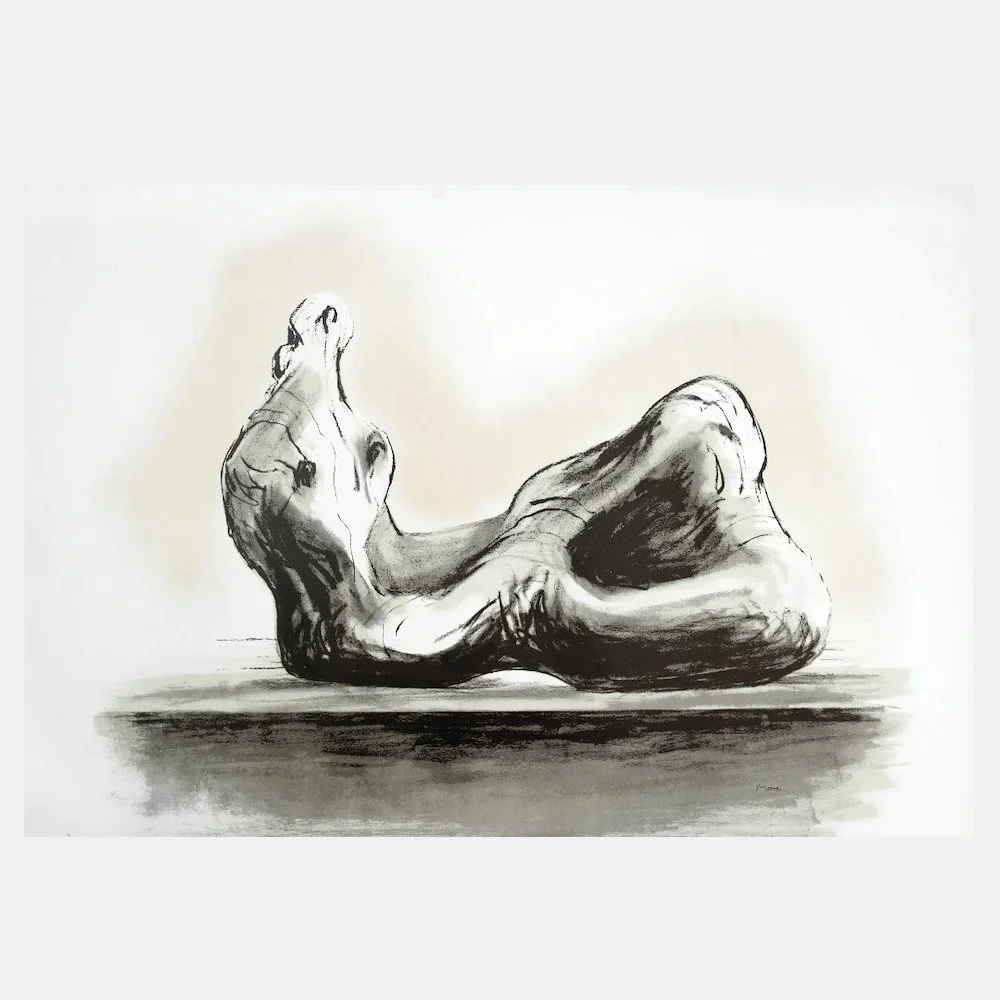
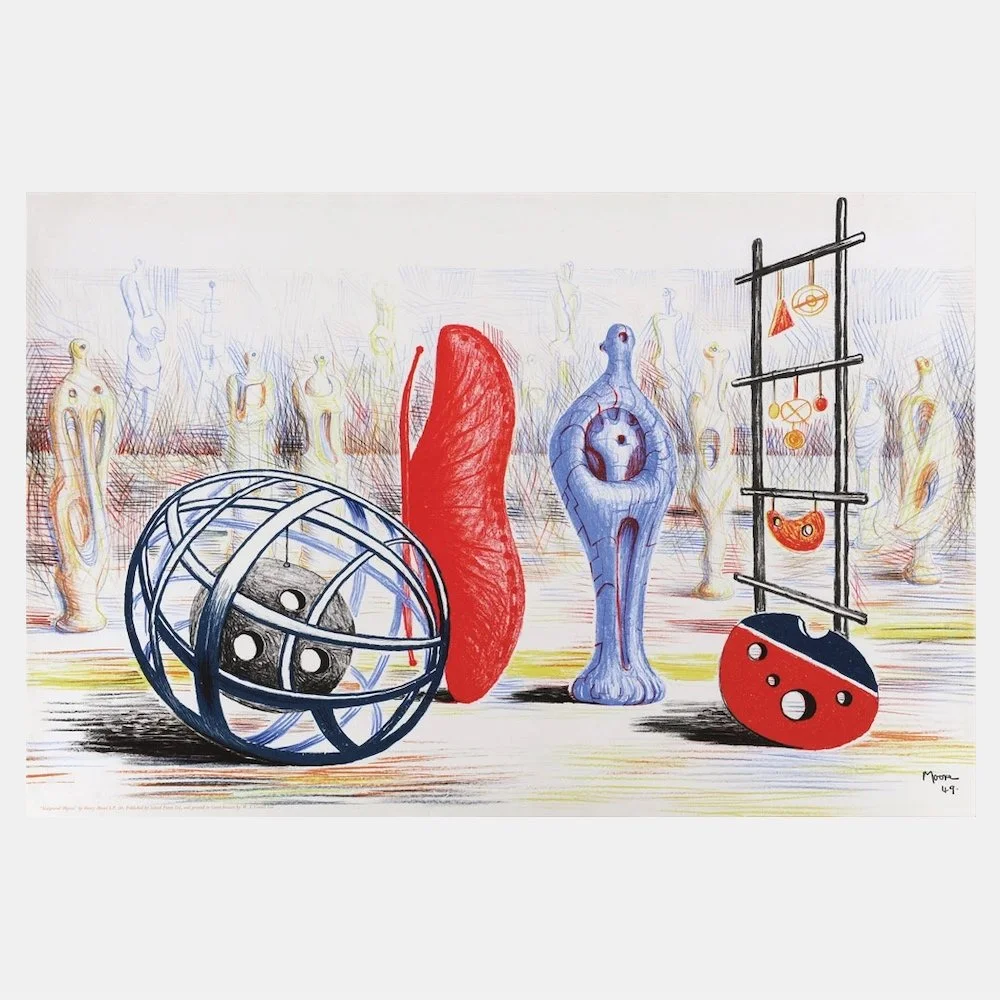
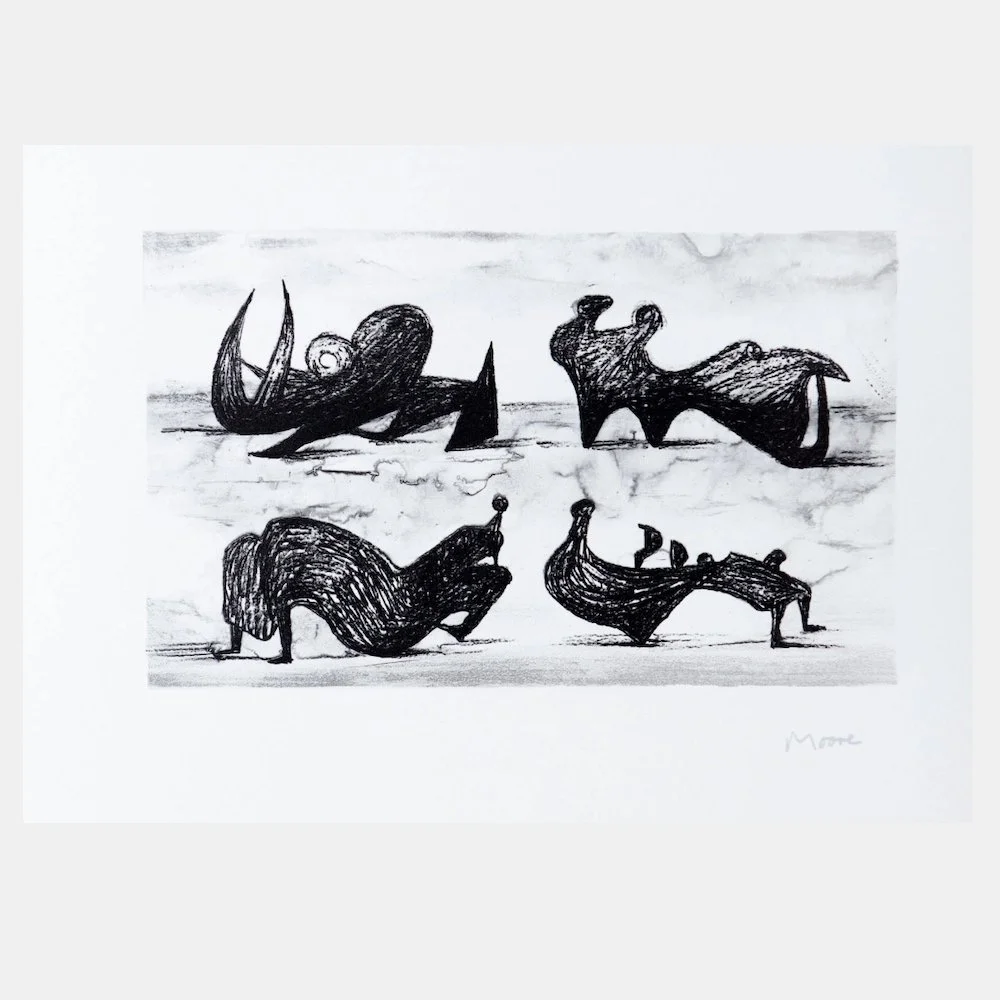
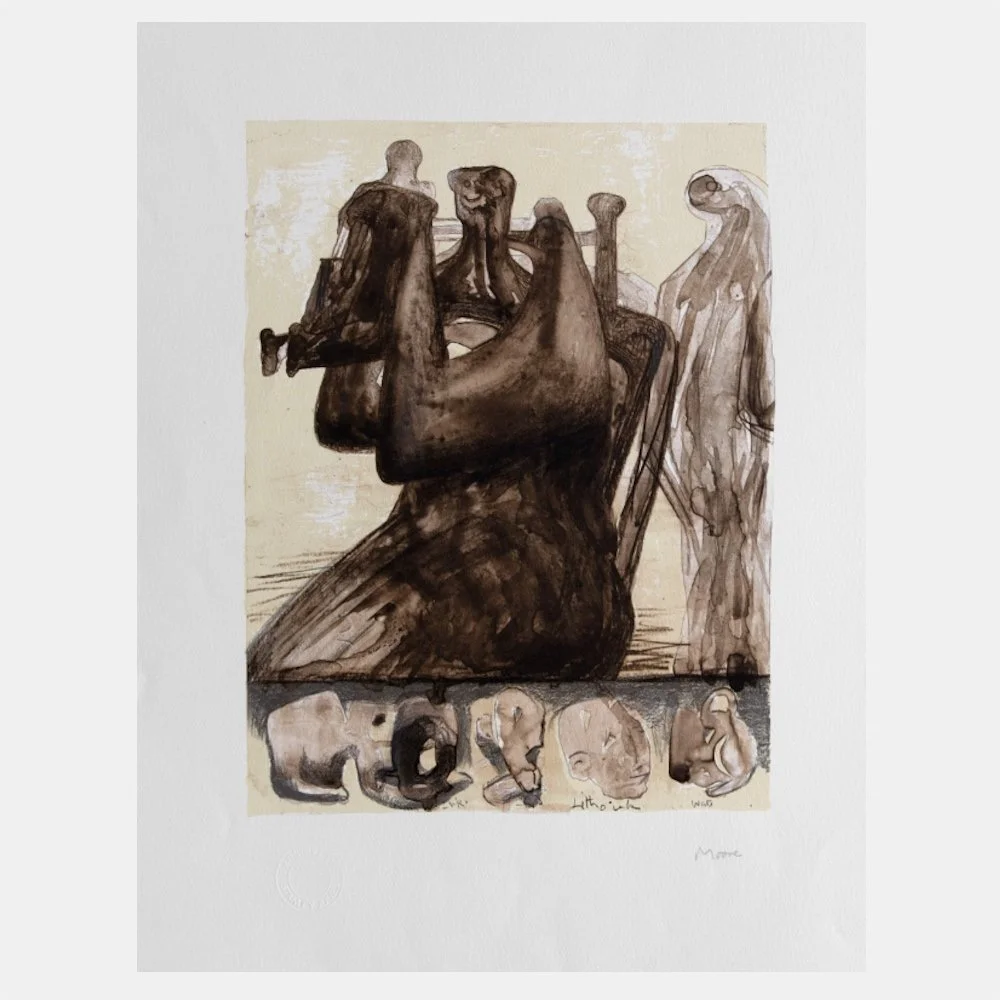
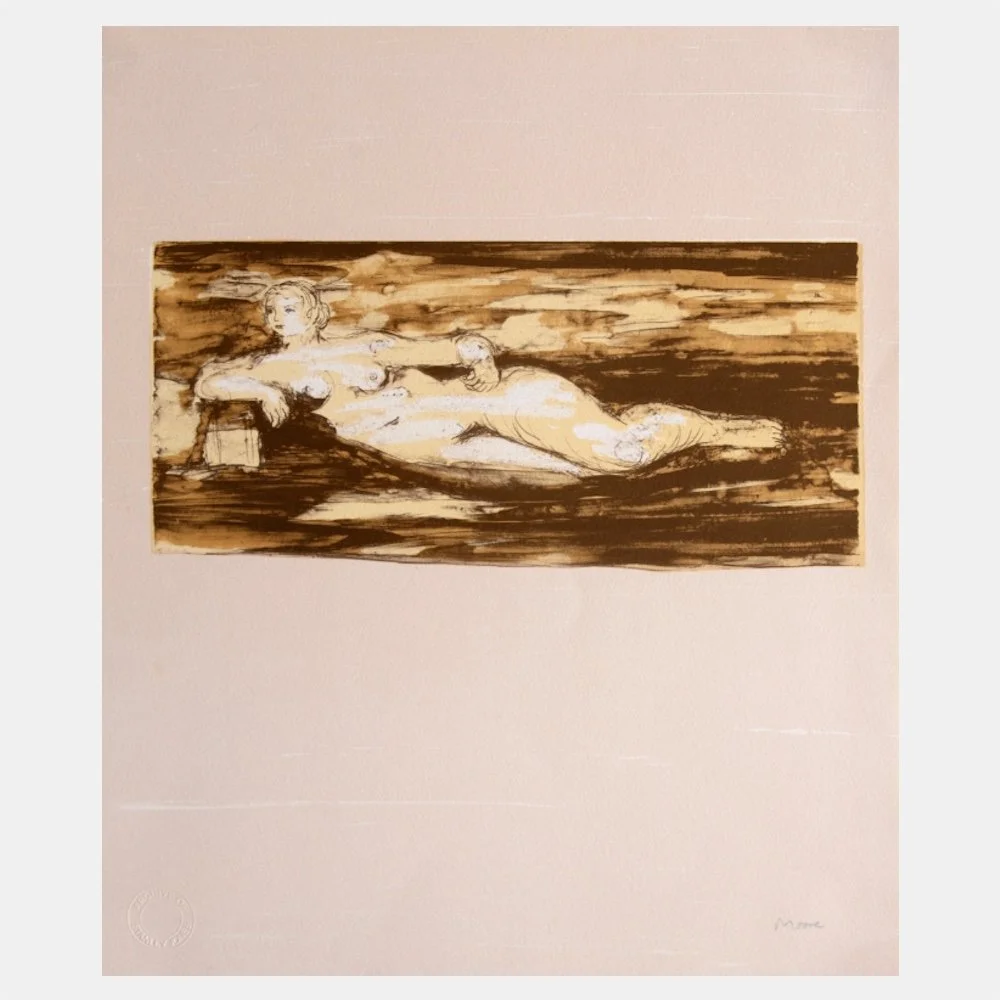
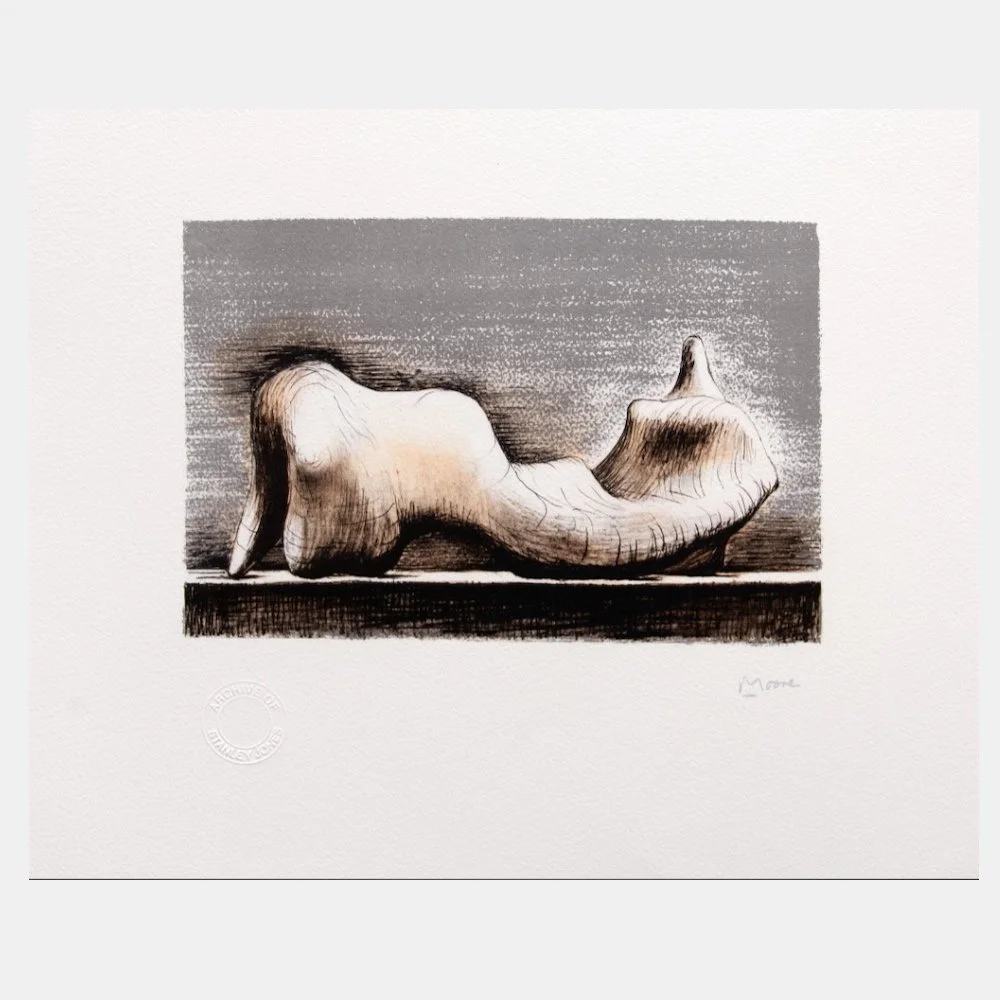
Henry Moore
Moore has been acknowledged as one of the greatest sculptors of the 20th century and as the most celebrated British artist of his time. He trained at Leeds School of Art before gaining a scholarship to the Royal College of Art. By the 1930s Moore was already recognized as the leading avant-garde sculptor in England but it was his war drawings that brought him to the attention of the British public.
His wider reputation was assured in 1948 when he won the International Sculpture Prize at the Venice Biennale and from then on came public commissions from all over the world. Moore started printmaking in 1931, and in 1958 met the master lithographer Stanley Jones at the Curwen Press with whom he continued to make prints until the end of his life in 1986.
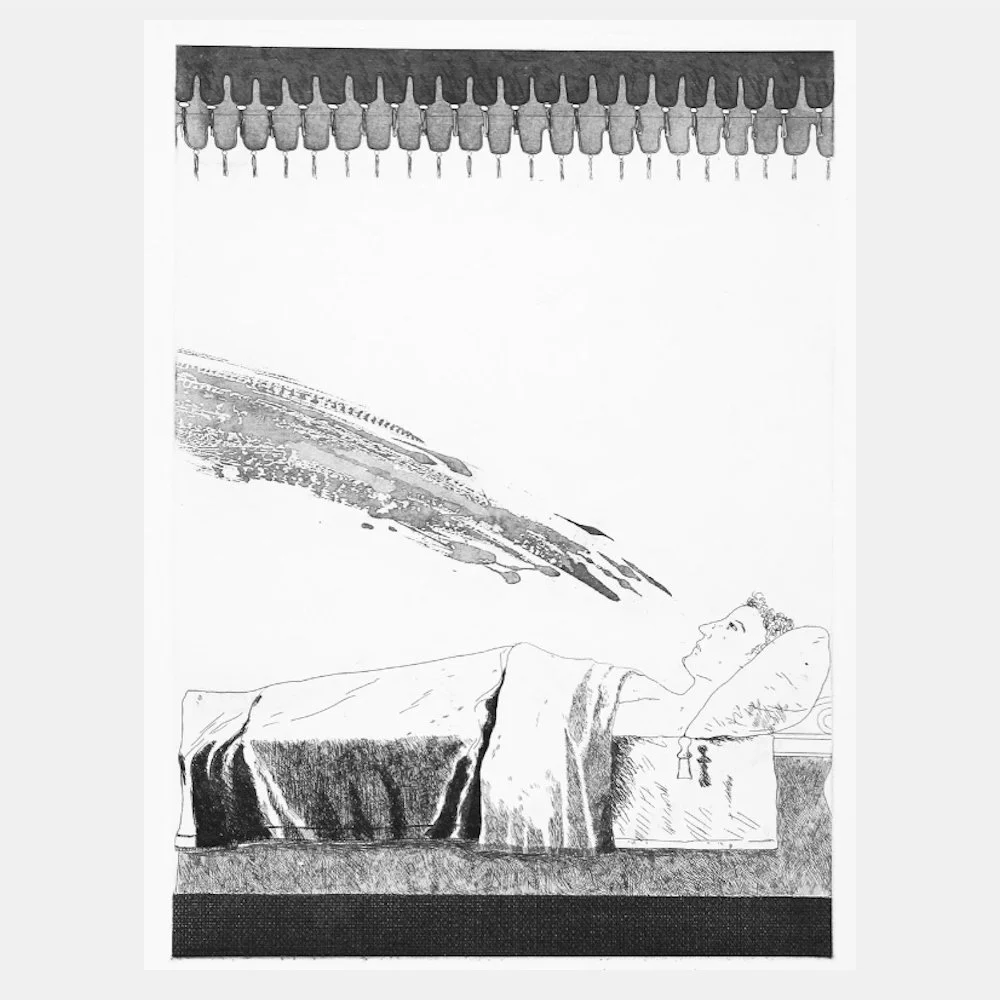
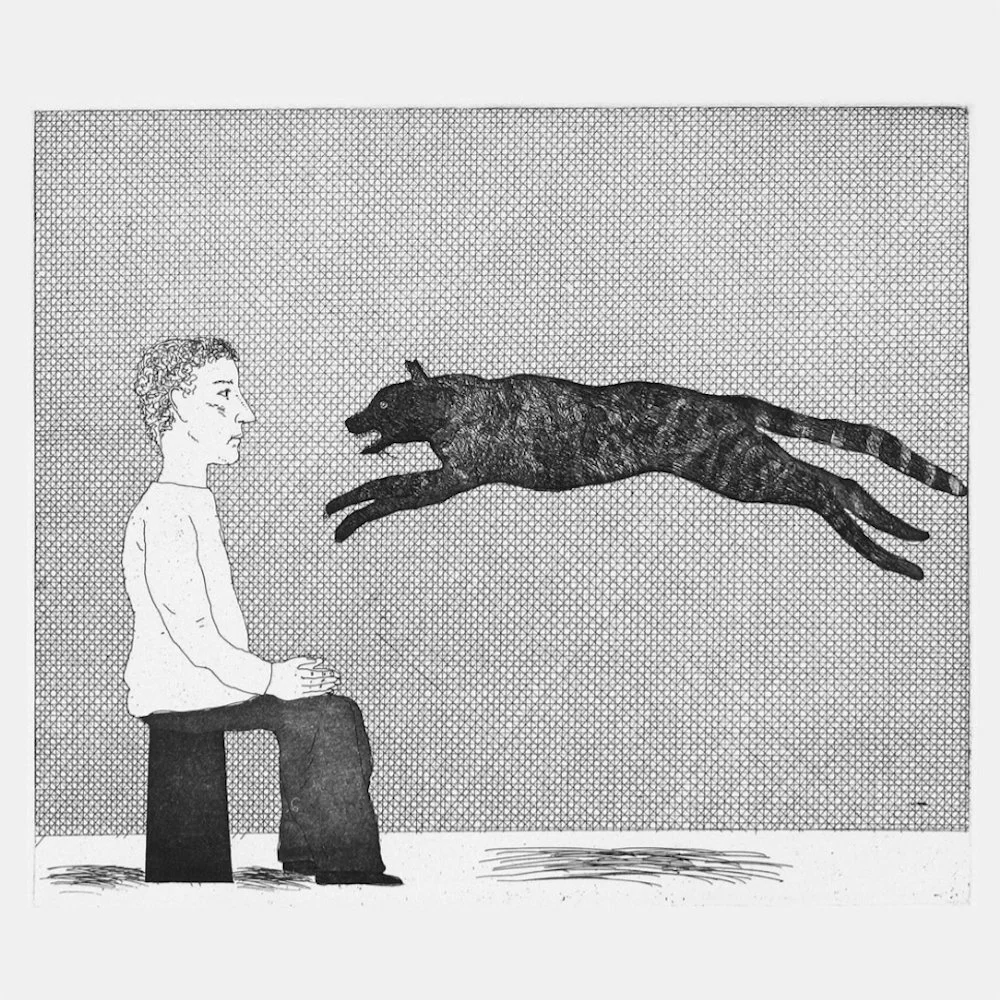
David Hockney
Hockney was born in Bradford in 1937. He was a brilliant draughtsman, the best known painter of his generation, and gained international success in his mid-20s. Hockney attended Bradford School of Art and Royal College of Art, where he was awarded a Gold Medal for Etching. Having settled in Los Angeles he held various teaching posts in America and was Slade Professor of Fine Art, Cambridge University, 1990.
Hockney’s work is held in galleries internationally and he has had a continuous stream of one-man shows around the world. Notable works for the printed page are his illustrations for Cavafy’s Poems, 1967, and Six Fairy Tales of the Brothers Grimm, 1969. He was elected RA in 1991 and was made Companion of Honour in 1997.
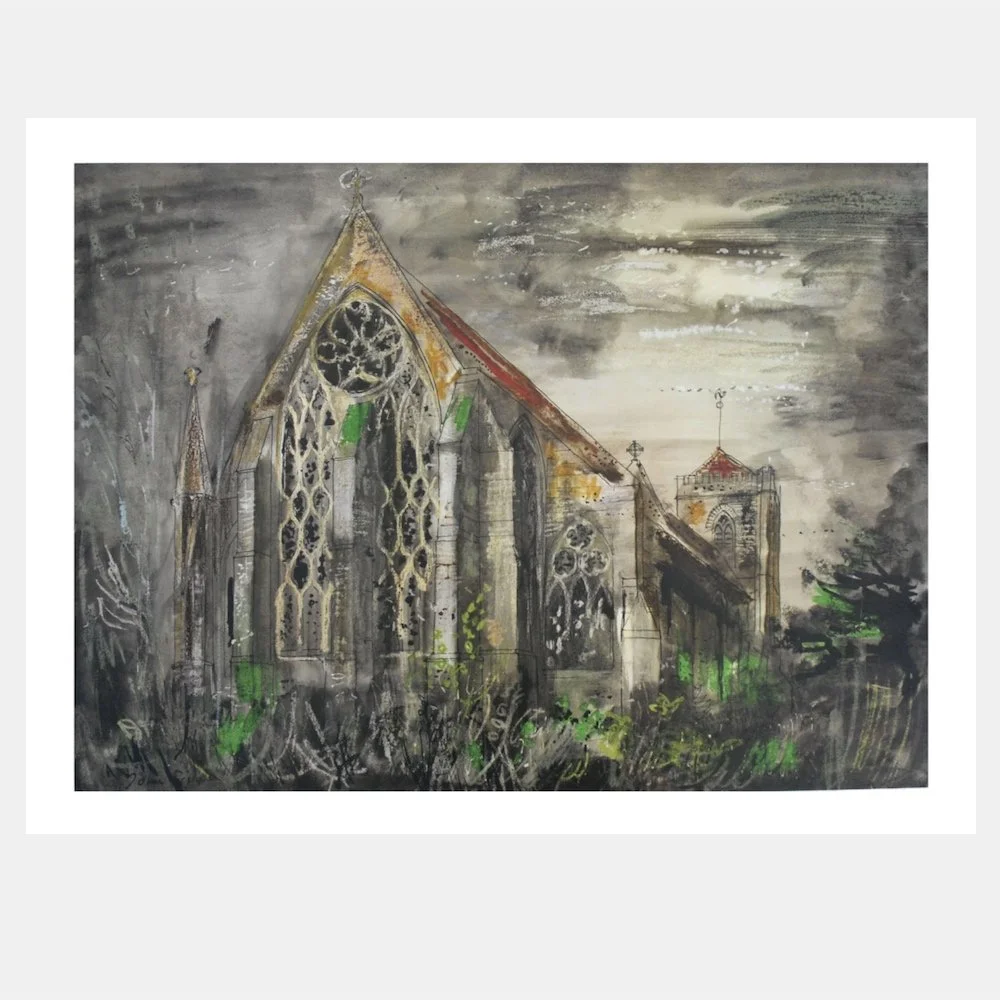
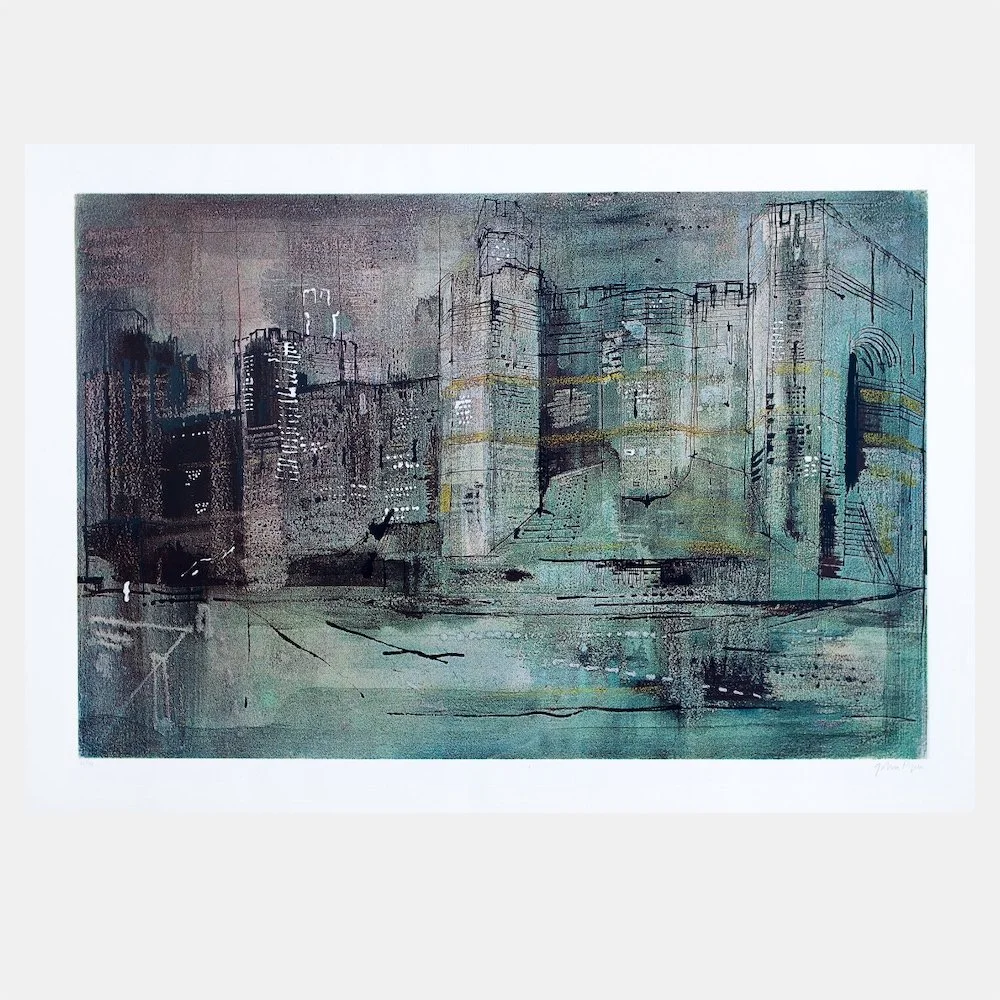
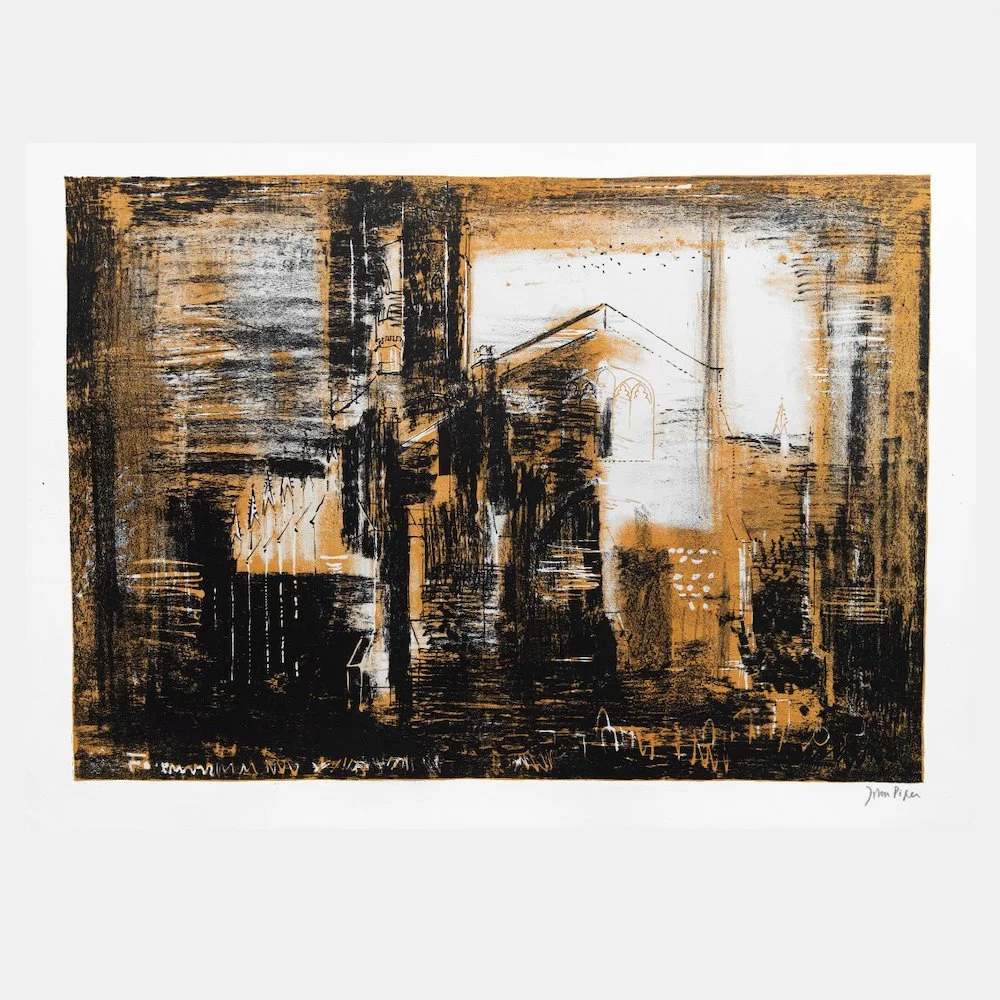
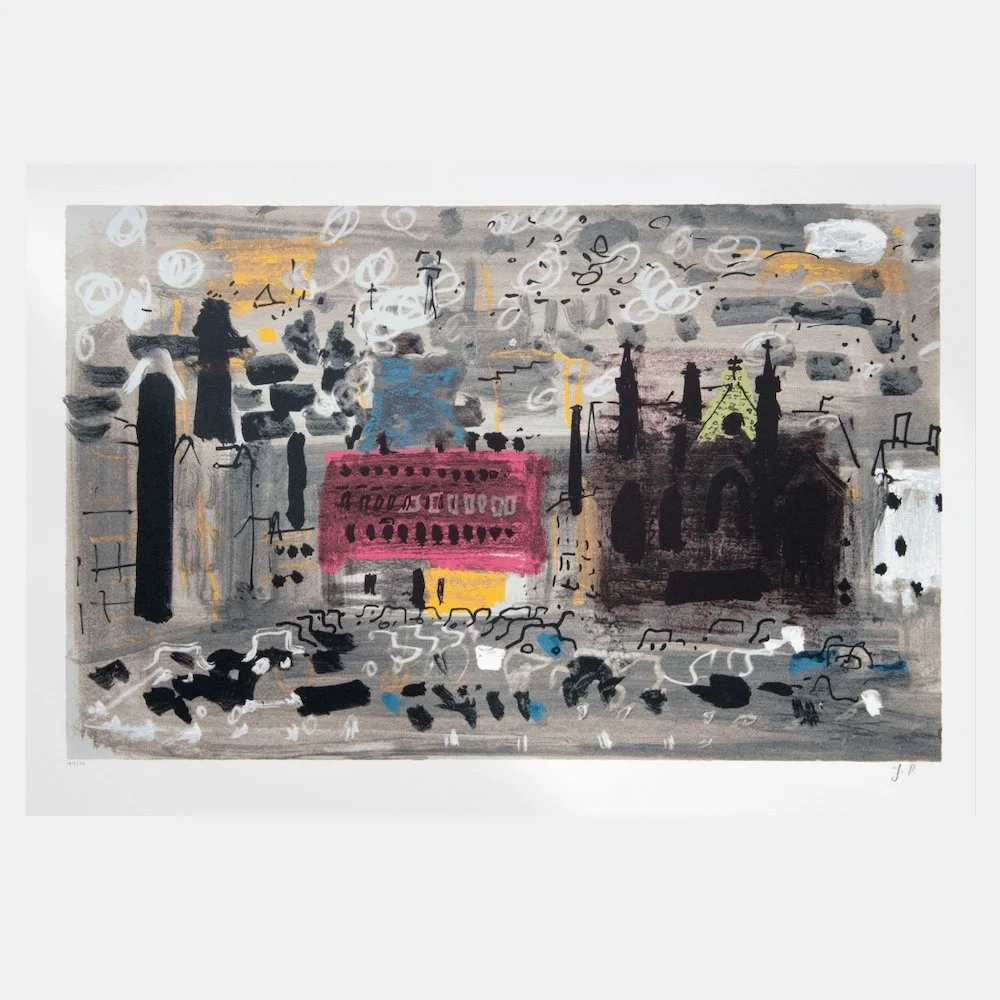
John Piper
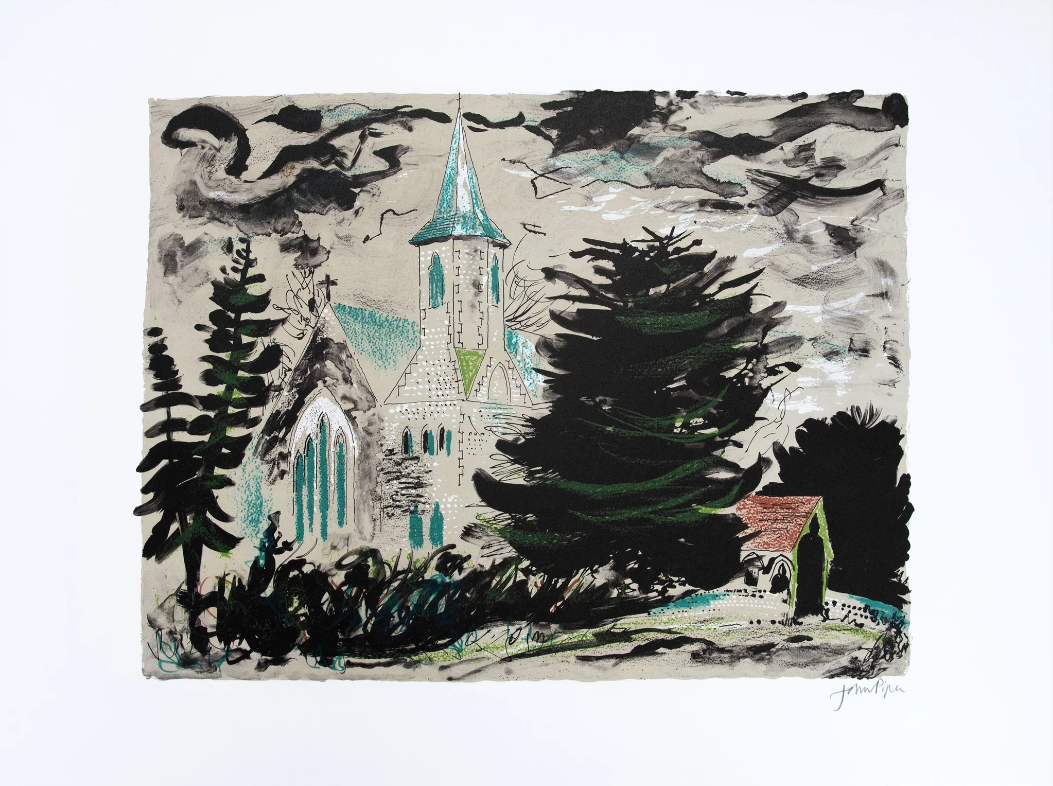
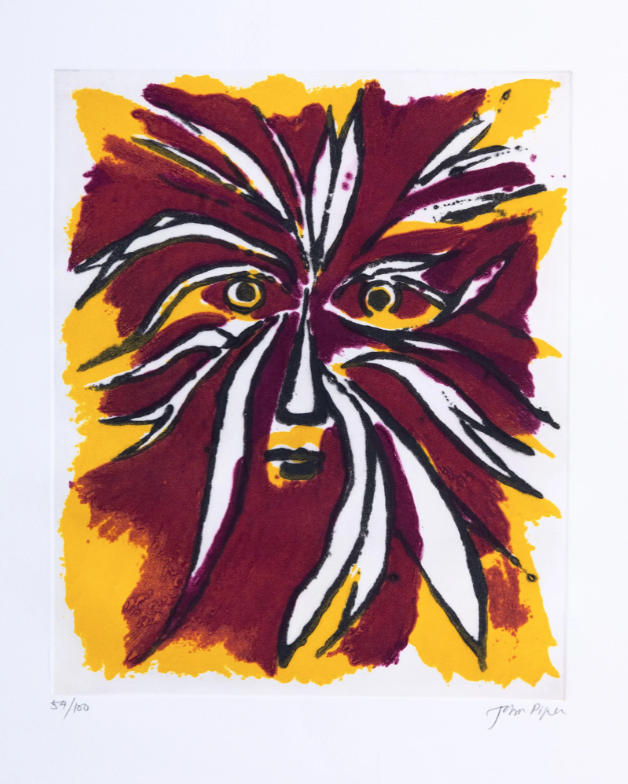
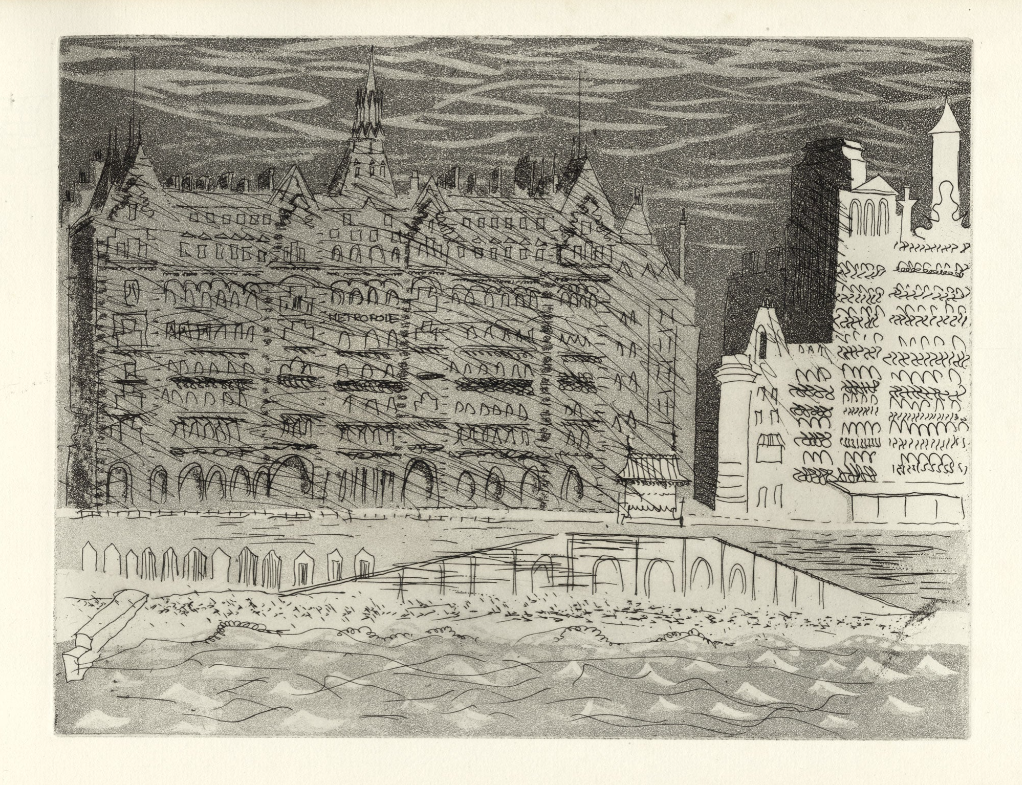
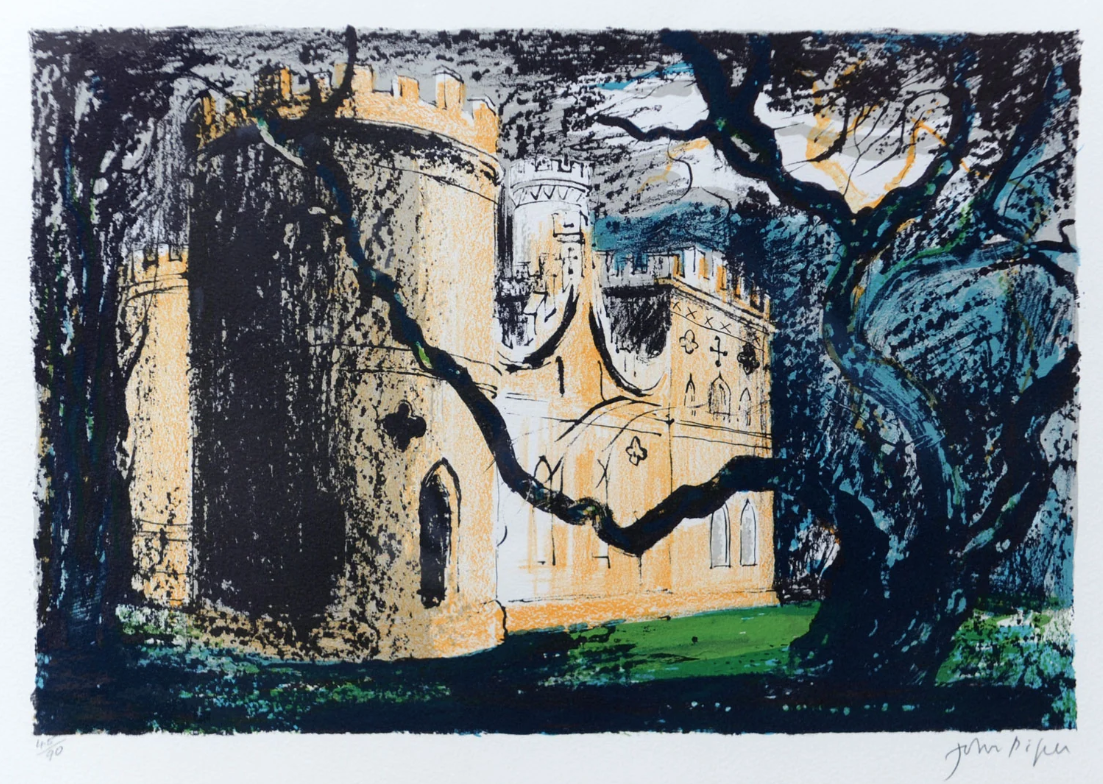
John Piper was born at Epsom in Surrey, 1903. Following his father’s wishes, he spent 5 years in the family law firm before pursuing art, firstly at Richmond School of Art and then at the Royal College of Art. In the 1930s Piper exhibited abstract pictures and constructions, then reverted to creating landscape and architectural images, developing the picturesque style that features in his later work.
Piper experimented with printmaking from as early as 1923 when he produced four wood engravings. Piper’s prints embody his love of Britain through their depiction of its art, architecture and topography. However frequently underpinning their design, as the artist Rigby Graham has indicated, are the elements of collage, construction and assemblage that featured in his modernist work of the early 1930s.
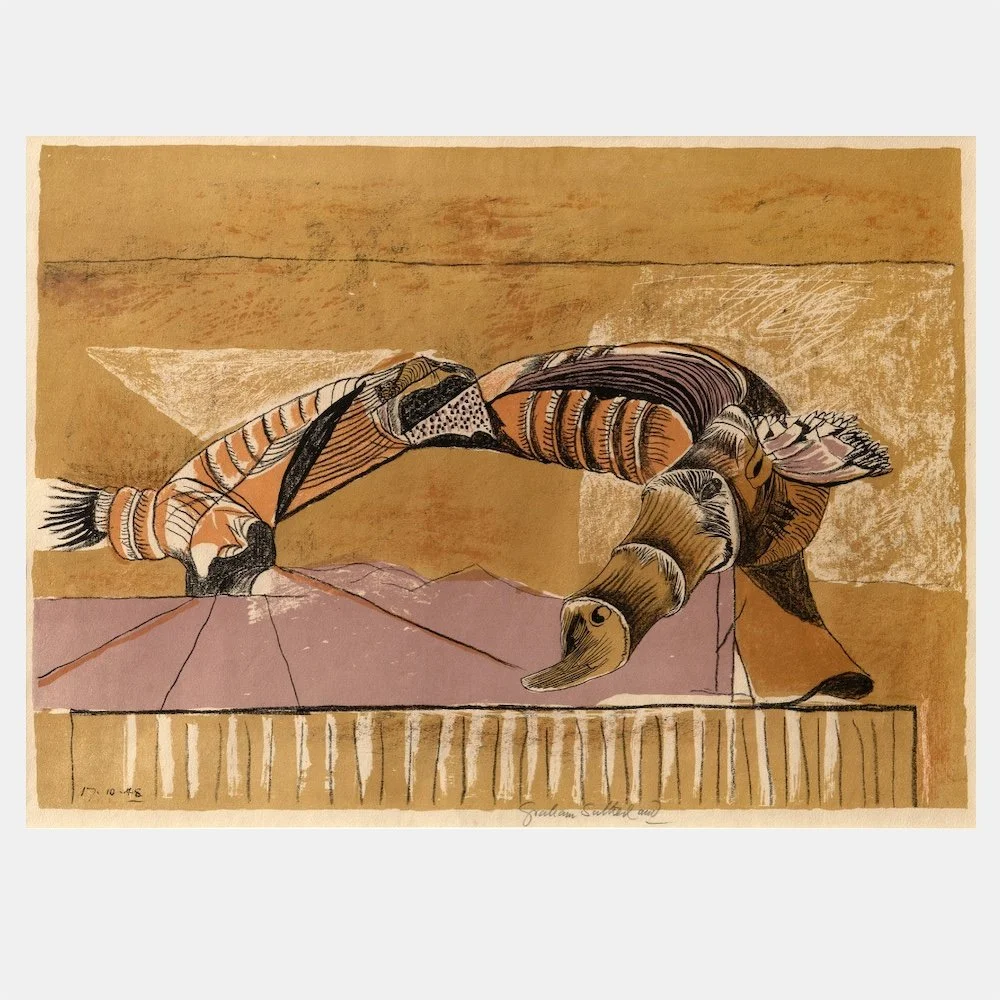
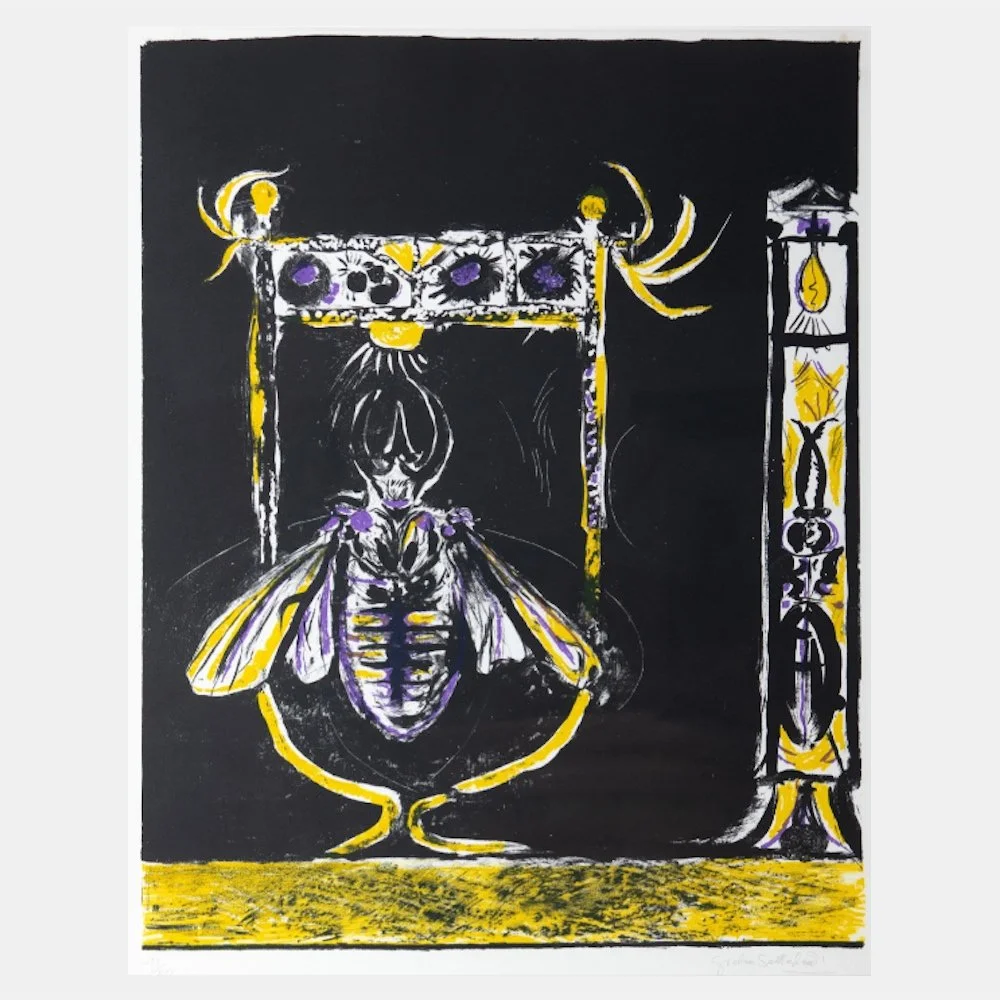
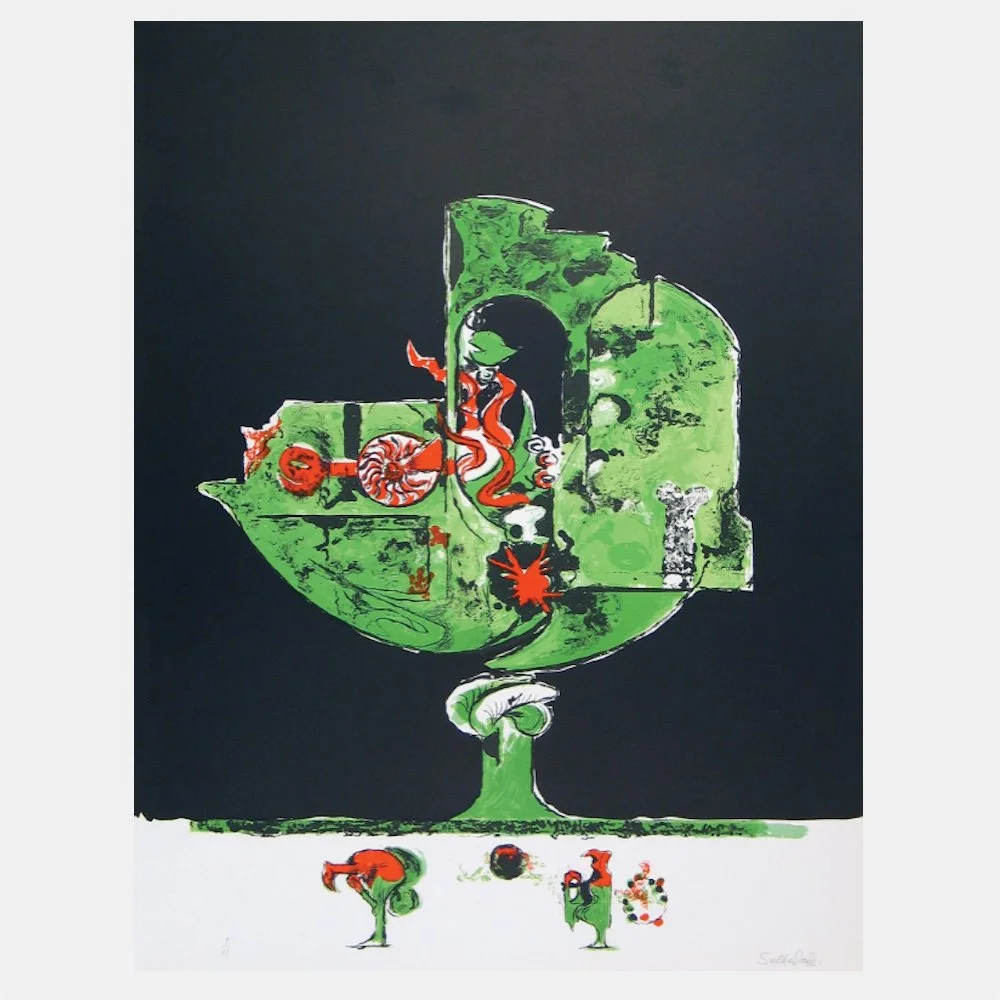
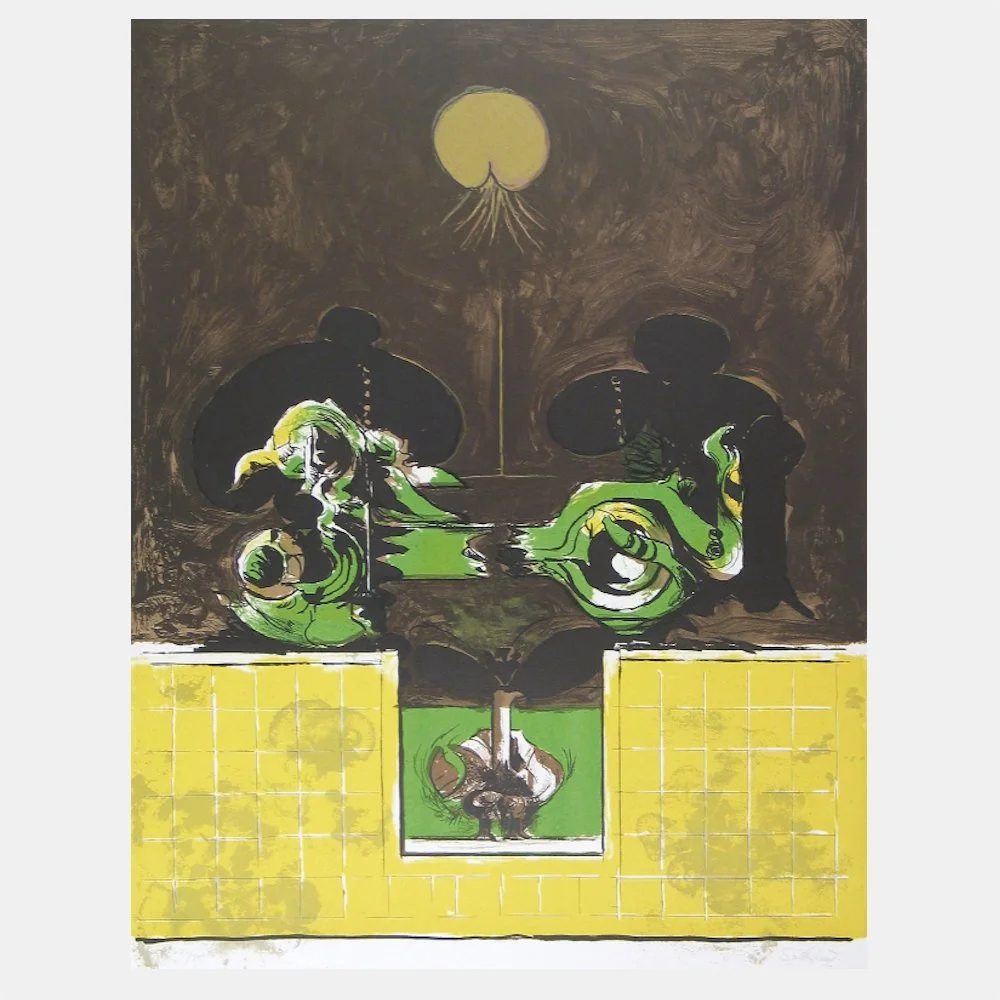
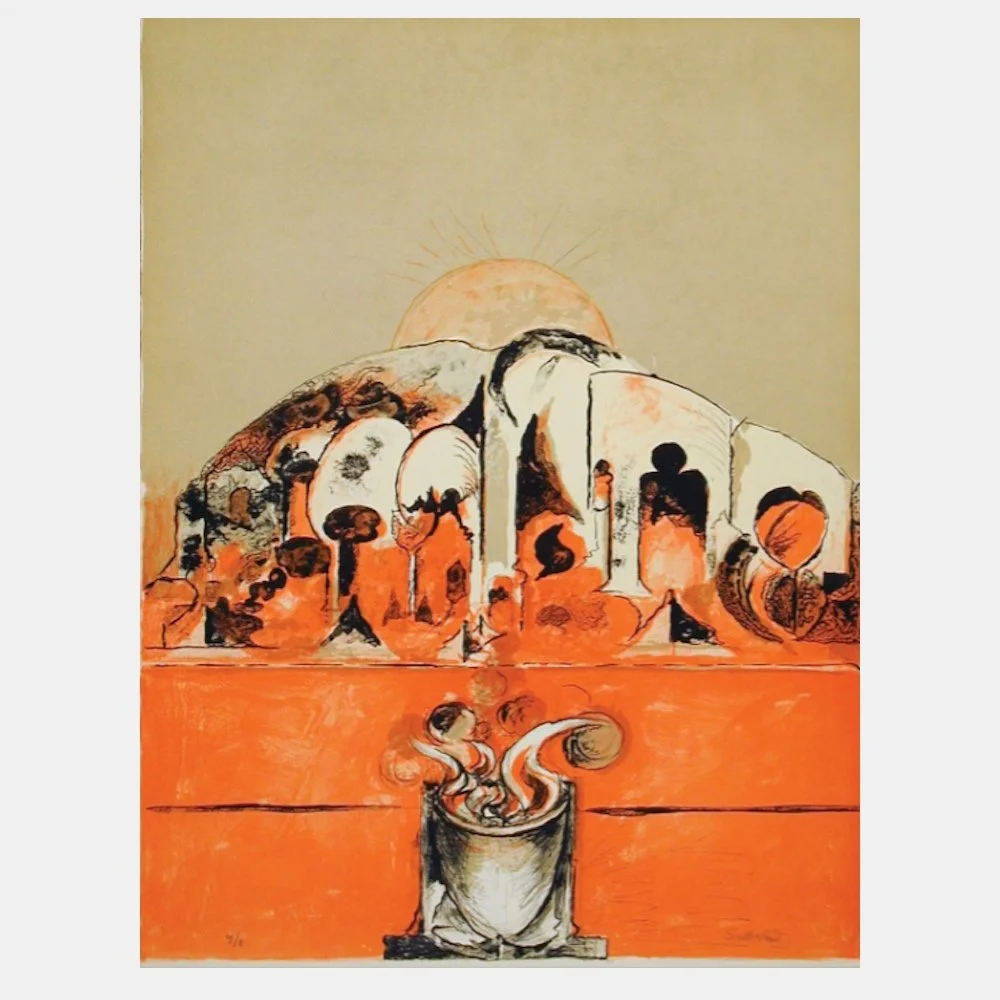
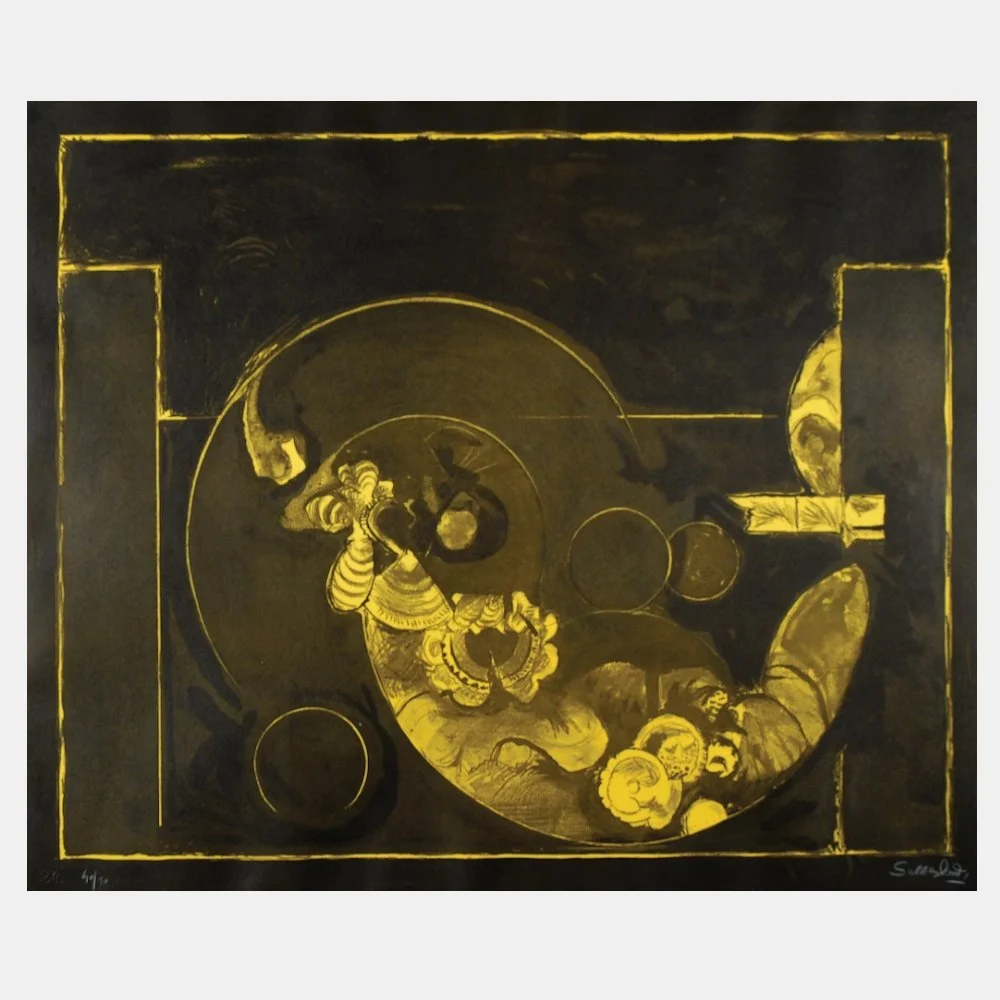
Graham Sutherland
Graham Sutherland was born in 1903 in Streatham. He attended Epsom School and then studied art at Goldsmith’s School of Art (1921-26) where he quickly became a highly skilled etcher. As an official War Artist, Sutherland depicted bomb damage in London but it was not until after the war that he started to become really well known. He was awarded the Order of Merit in 1960 and died in London in 1980.
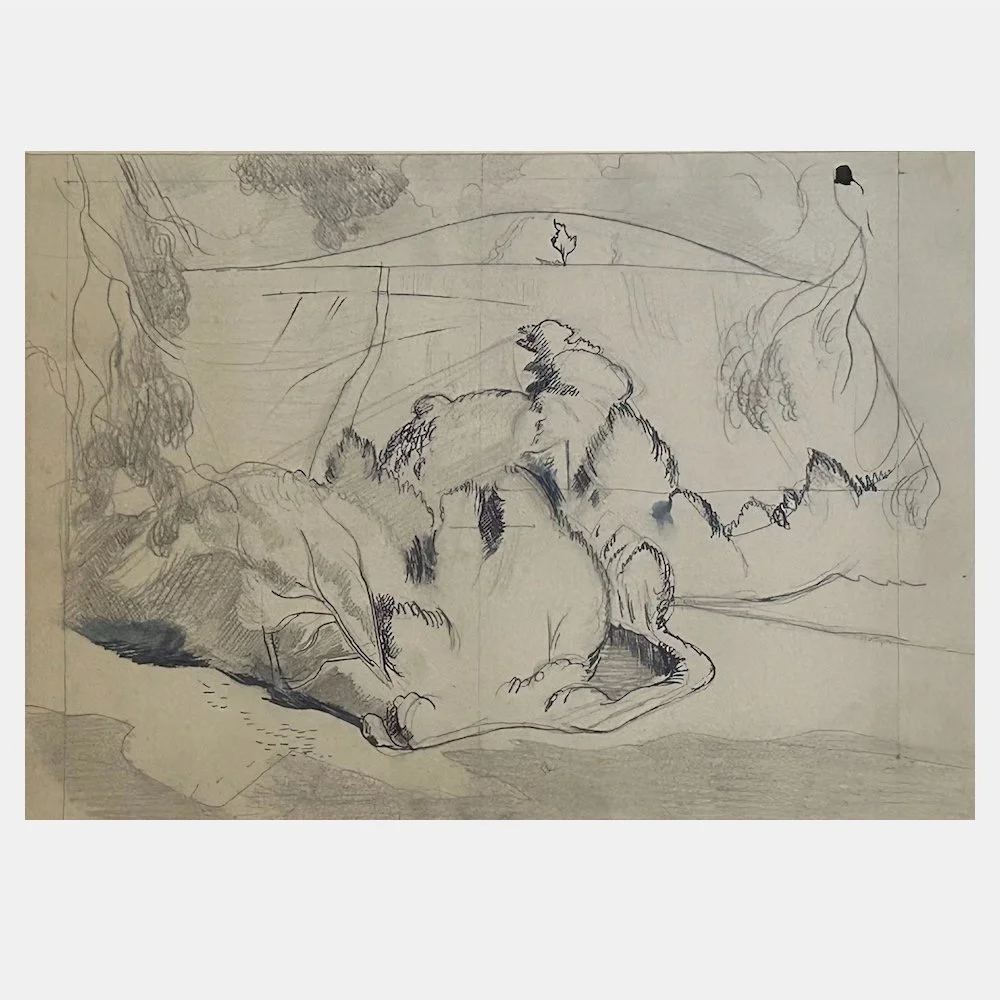
In his work Sutherland developed an interest in natural forms of growth such as tree roots and thorn bushes which he often depicted in close-up or from foreshortened viewpoints. These organic growth formations, which remained central to Sutherland’s work throughout his career, often appeared menacing or threatening with their hints of human or animal like characteristics.
John Nash
Born in 1893, John Nash established his artistic reputation as a printmaker at a young age with the progressive London Group and Camden Town Group of artists immediately before the Great War. He was an Official War Artist, and thus it was only in 1919 after the war had ended that his first prints, some of them wood engravings, were produced.
The following year he was a founder member of the Society of Wood Engravers and during the next 15 years he produced approximately 135 wood engravings before abandoning the medium. However Nash continued to make prints in different media including lithographs, etchings and engravings on metal, his subject matter often rural landscapes. Nash died in 1977.
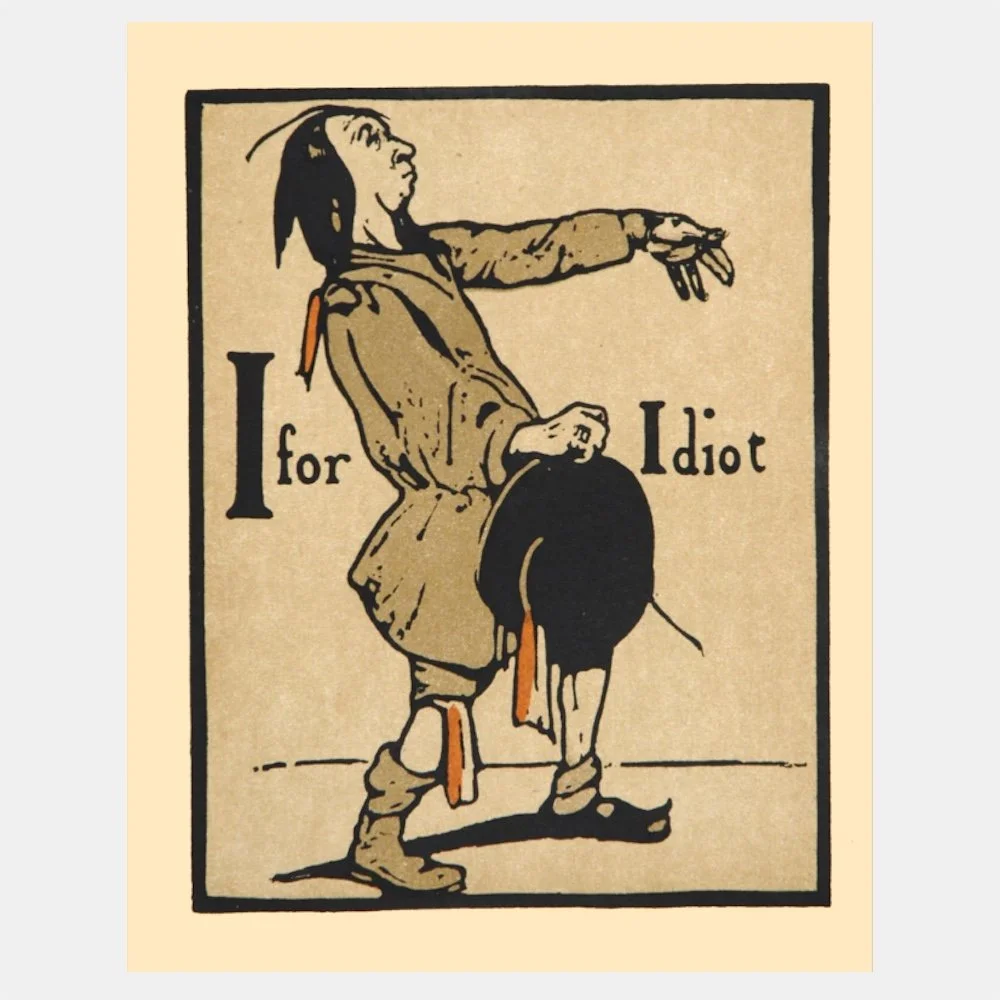
William Nicholson
William Nicholson was born at Newark in 1872. He left to study in Paris in his late teens for six months at the Academie Julian before returning to England. In 1893 Nicholson married the painter Mabel Pryde and their first son Ben went on to become the famous painter and sculptor. Nicholson concentrated on printmaking with his brother-in-law James Pryde under the pseudonym of J.& W.Beggarstaff.
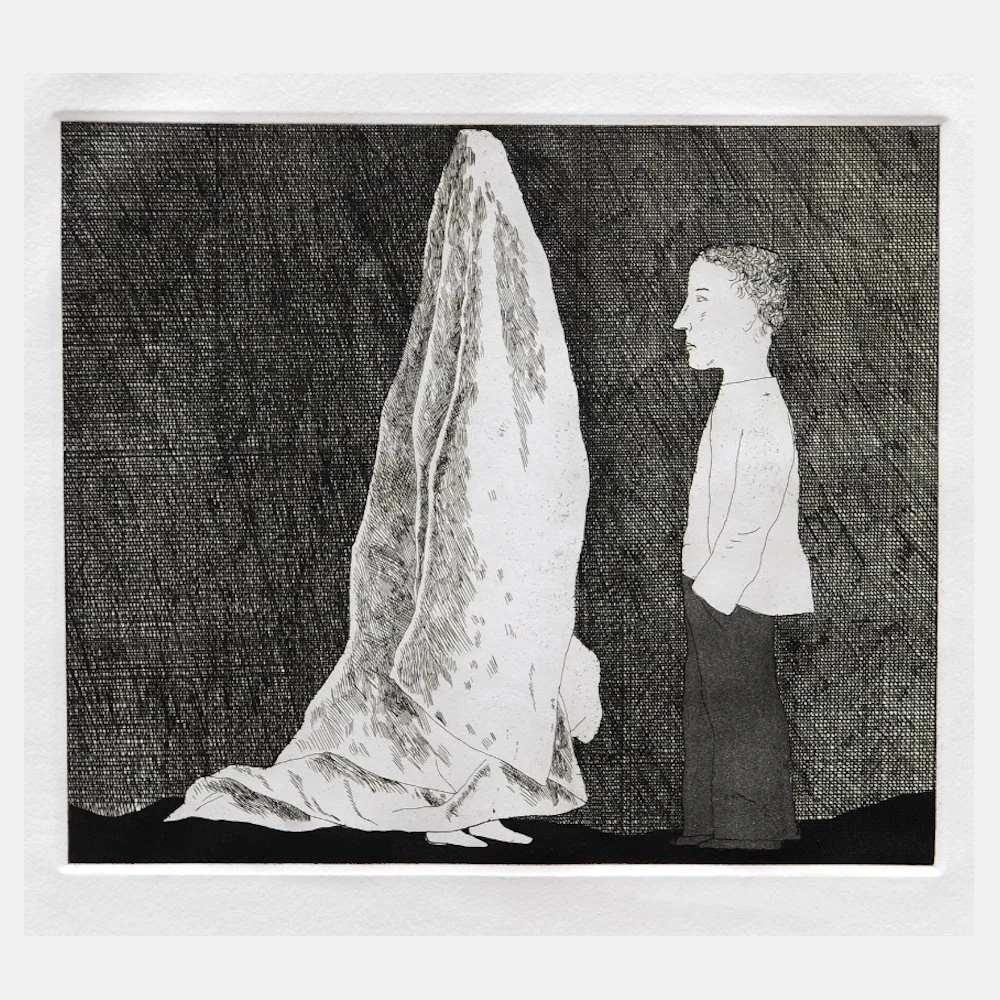
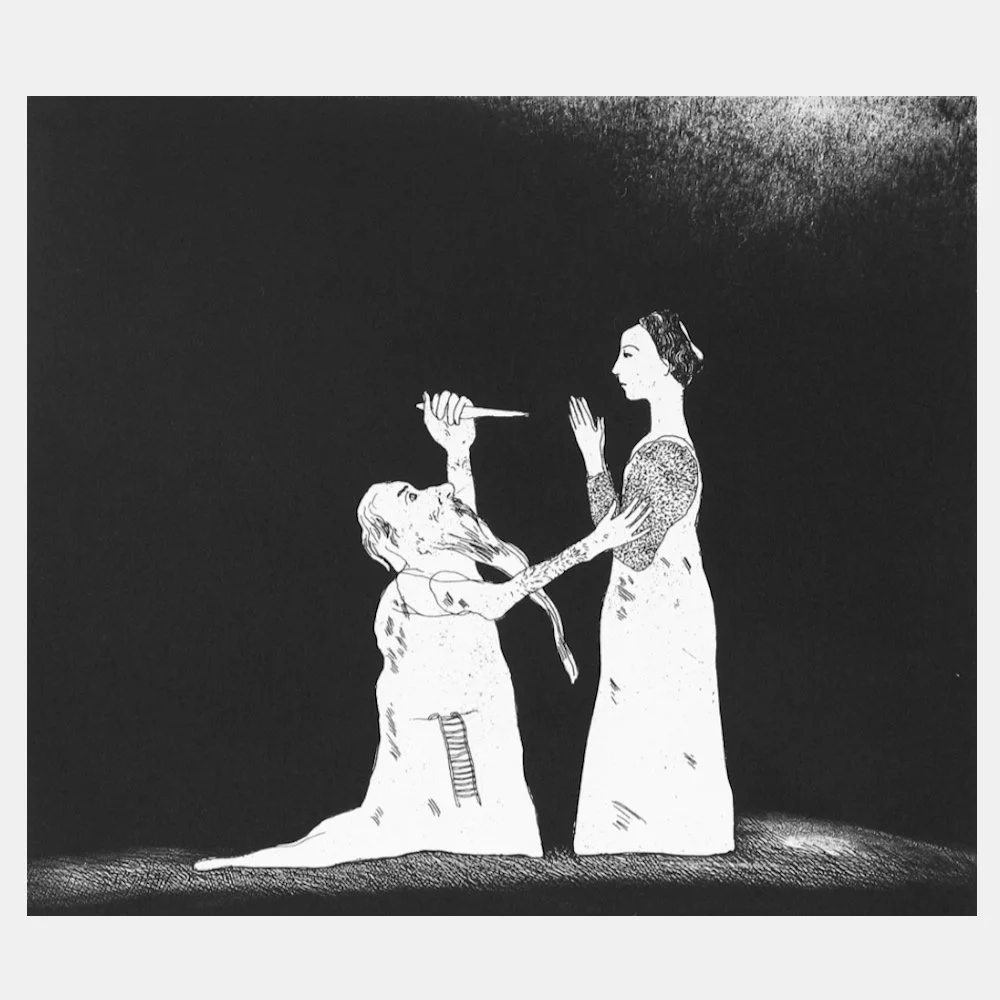
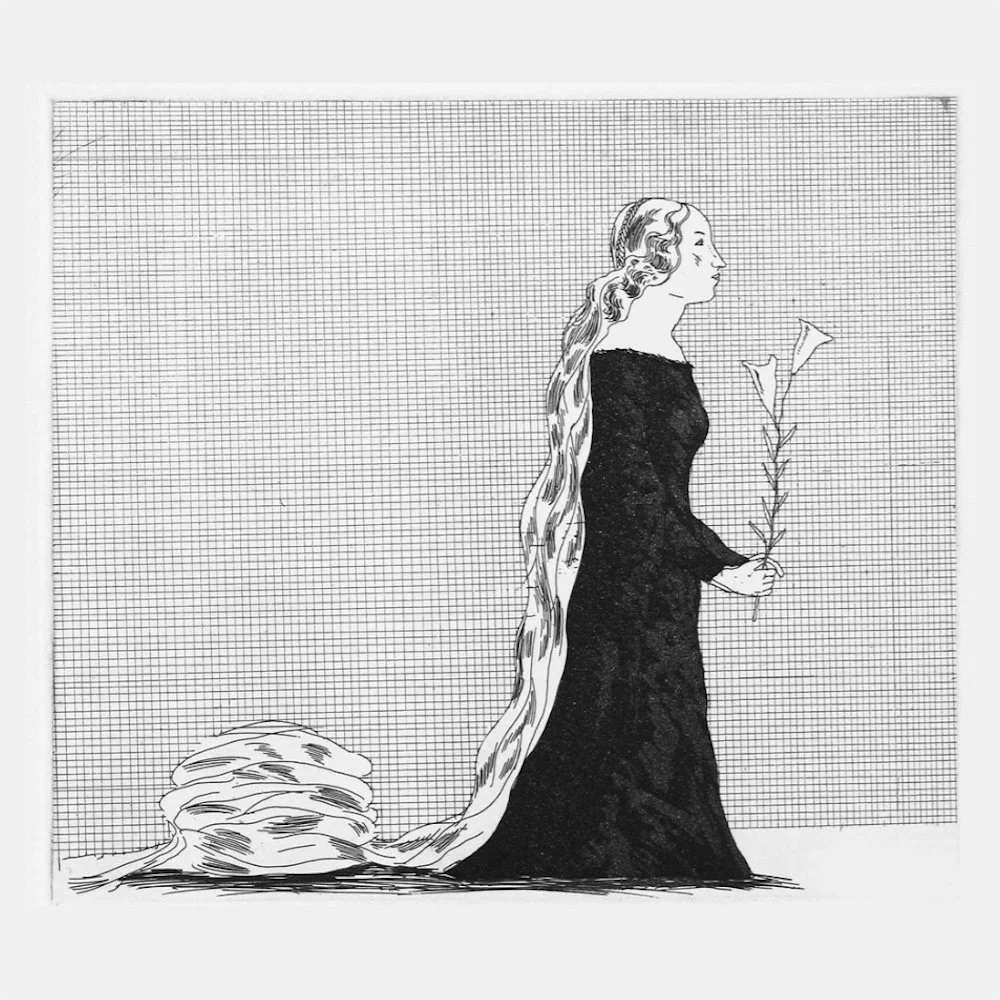
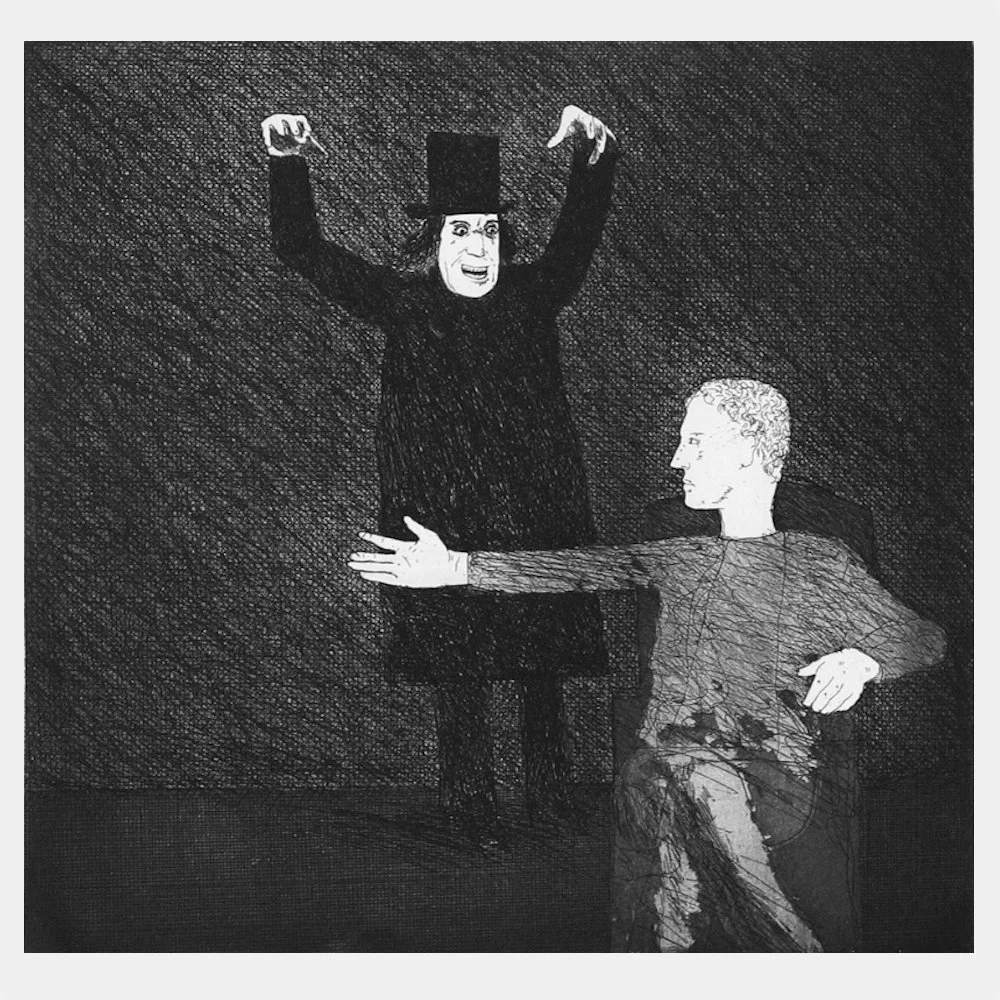
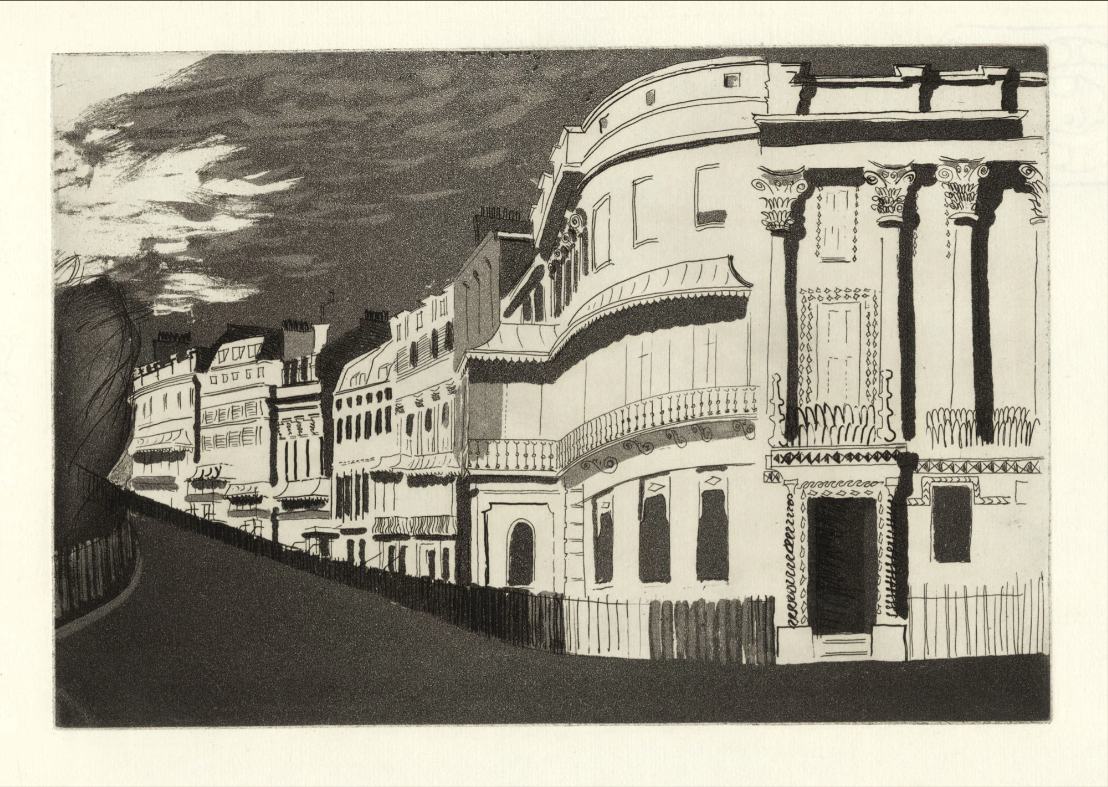
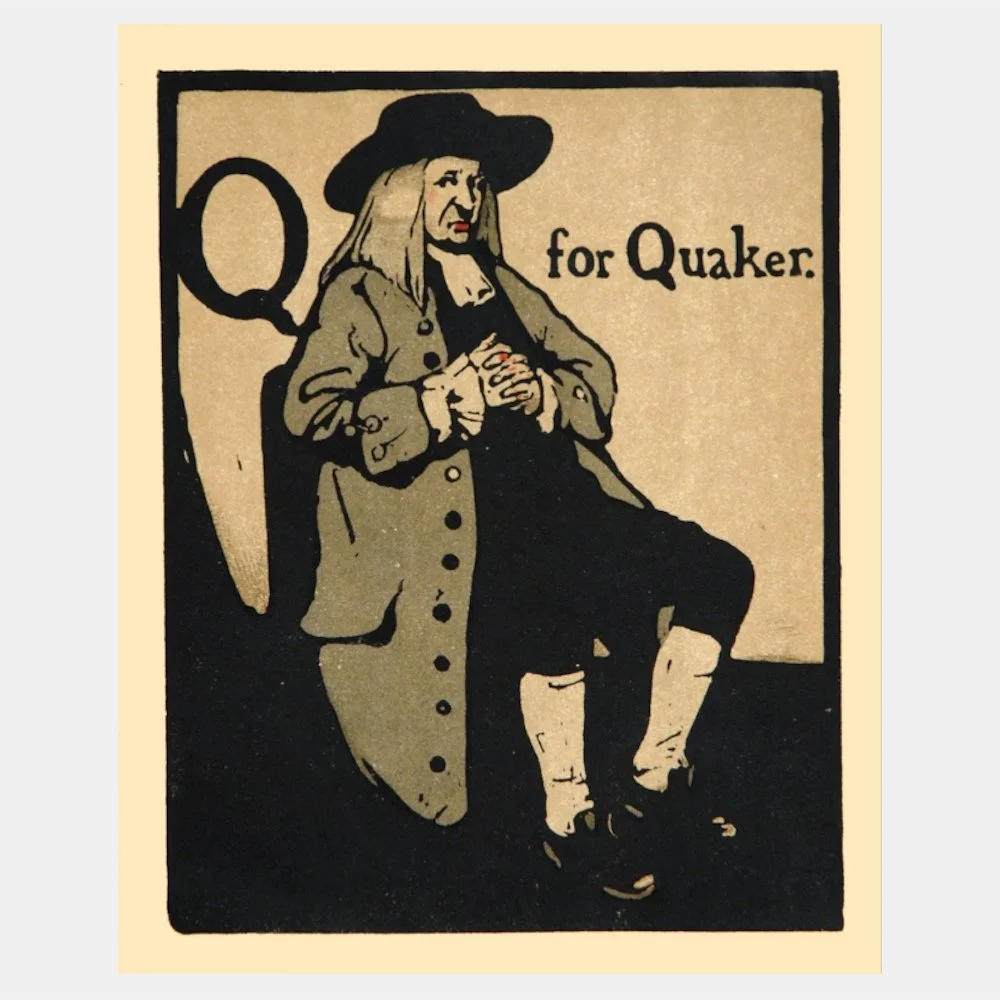
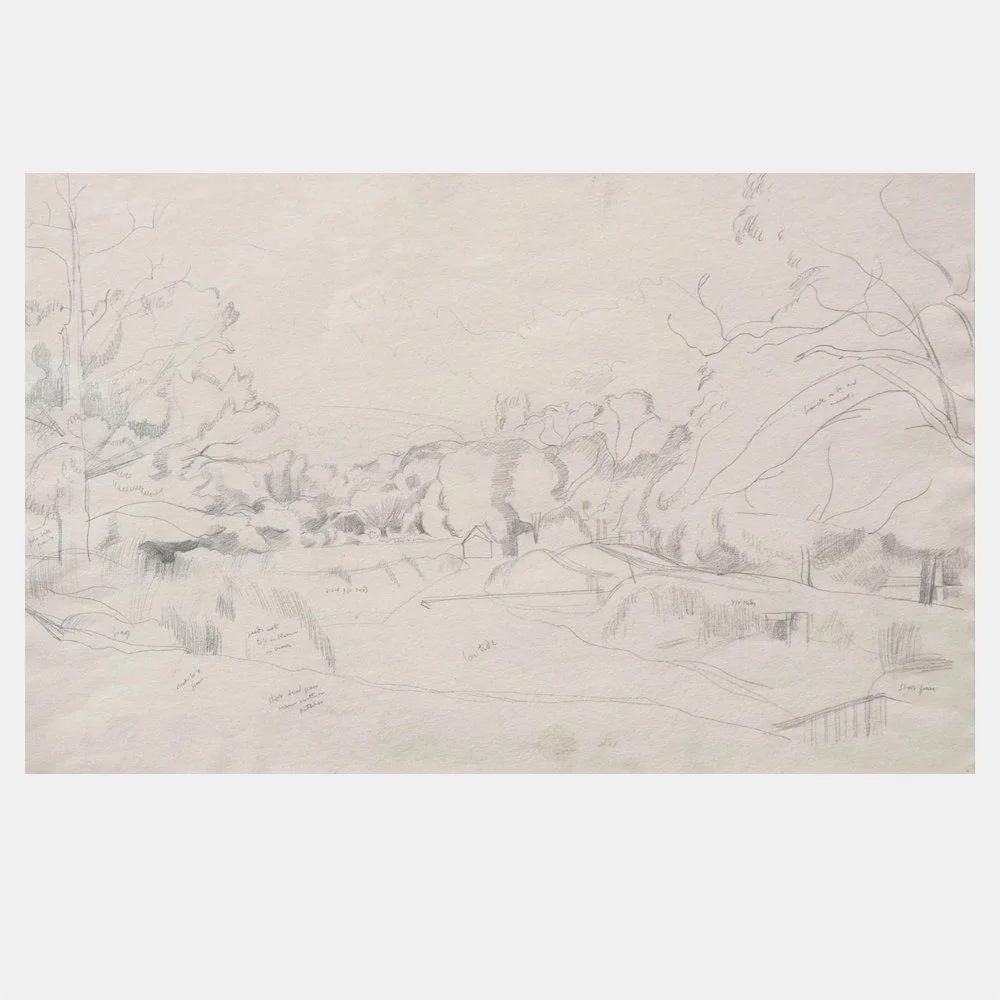
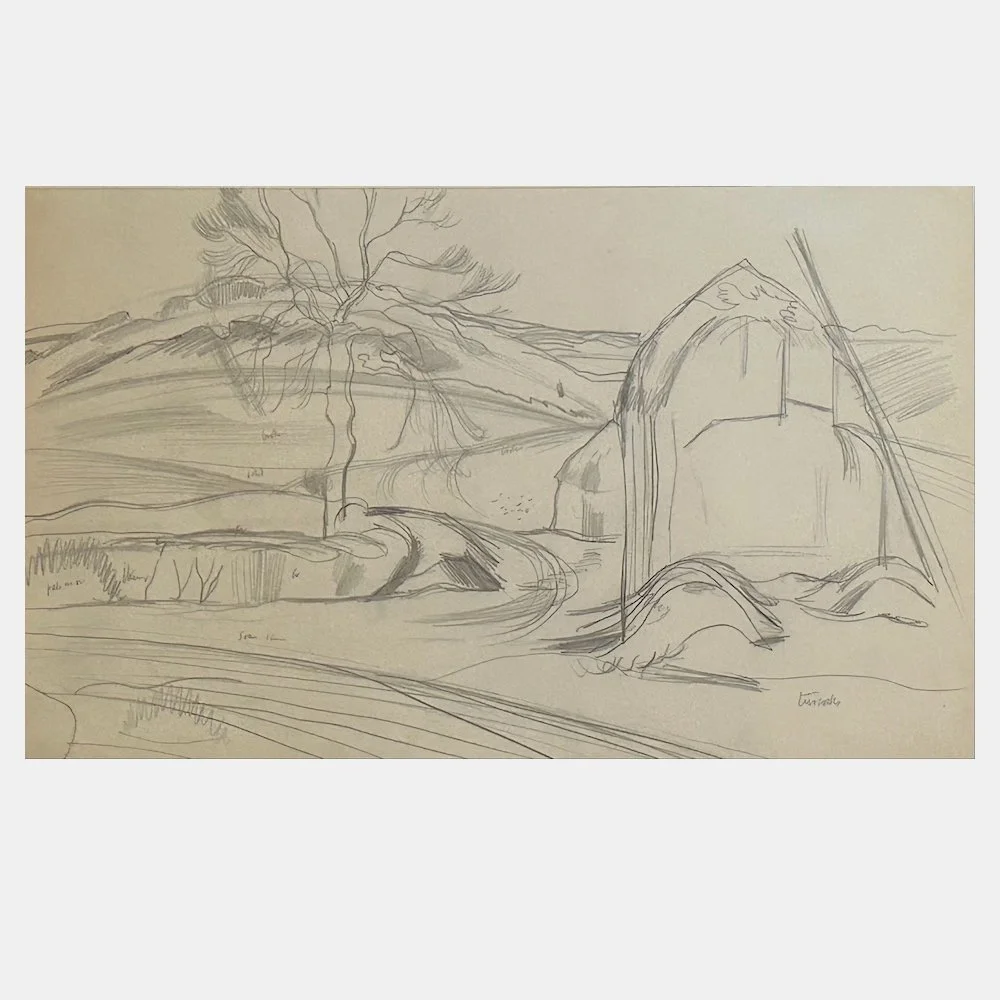
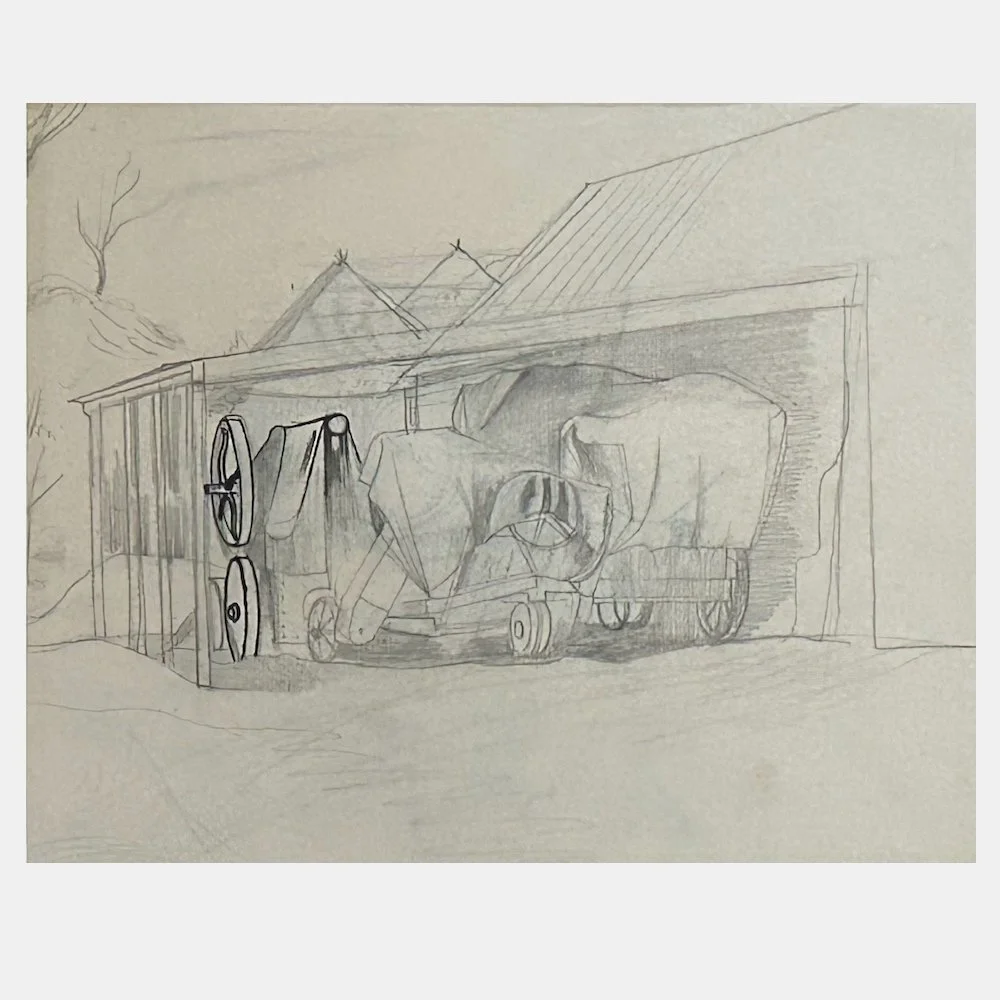
Etching (2nd State 2/3)
Size Framed: 390mm x 360m